Skip to content

Operations

Remove repeated manual steps without losing operational control

We replace repeated manual handoffs with forms, approvals, task routing, notifications, and audit logs.

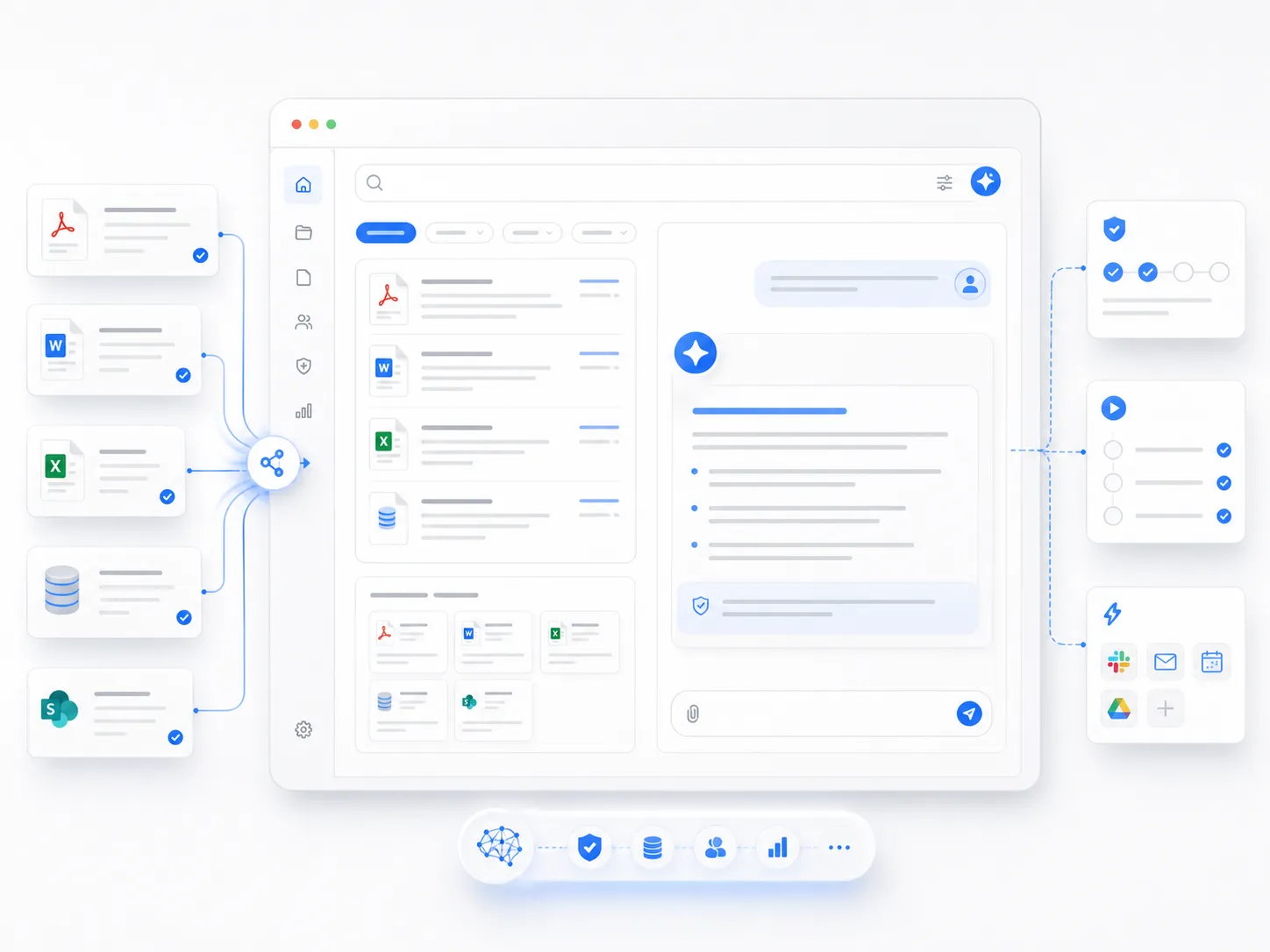
Workflow automation visual with tasks, approvals, and system states

Operating problem

Manual processes create delays, missed handoffs, and unclear accountability

Manual processes create delays, missed handoffs, and unclear accountability.

  • Approvals happen in chat threads
  • Staff re-enter the same information
  • Process status is invisible
  • Managers cannot audit who did what and when

System architecture

System architecture

Each engagement is designed across business material, software layers, and deployment operations instead of delivering an isolated feature.

  1. 01

    Workflow model

    Define states, roles, events, approvals, exceptions, and service-level expectations.

  2. 02

    Automation layer

    Build forms, routing rules, notifications, generated documents, and integrations.

  3. 03

    Control layer

    Add audit logs, dashboards, permissions, and operational reports.

Deliverables

Deliverables

Workflow map

Define states, owners, approvals, exceptions, and handoff rules.

Forms and approval flows

Build structured inputs and approval paths for recurring work.

Task routing and notifications

Send work to the right people with clear status and next steps.

Audit trail

Record who changed what, when it changed, and why it matters.

Operations dashboard

Show open work, blocked steps, ownership, and completion status.

Integration with existing systems

Connect workflow events to email, CRM, databases, or internal tools.

Deployment and maintenance

Deployment and maintenance

Role-based workflow access

Give each team only the actions and views they need.

Maintenance and change process

Document how workflow rules can change without breaking operations.

Cloud or private deployment

Deploy the workflow where staff can use it reliably.